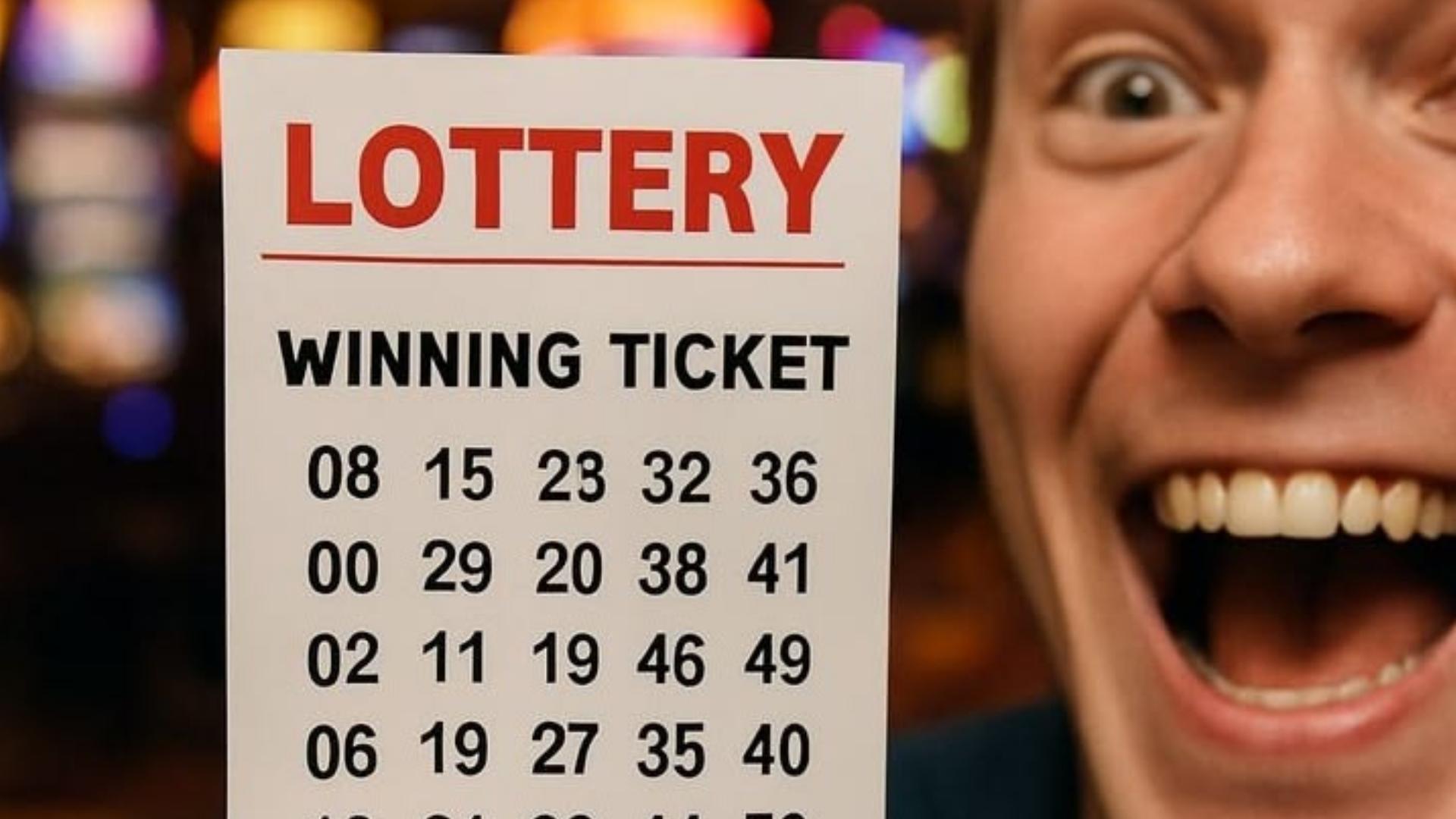
Purchasing lottery tickets has traditionally been a cash-only transaction in many places, but modern banking habits have prompted significant policy shifts. Today, many official retailers and online platforms accept debit cards as a primary form of payment. However, specific payment rules, regional regulations, and retailer policies ultimately determine whether a debit card transaction will be approved for lottery purchases.
How Debit Card Rules Apply to Lottery Purchases
Unlike credit cards, which are heavily restricted or outright banned for lottery purchases to prevent debt accumulation, debit cards draw funds directly from an existing bank balance. Because of this fundamental difference, state lotteries and national regulators frequently allow debit card processing at registered checkout counters. Even so, individual retail stores retain the right to enforce their own payment limits or restrict card transactions entirely.
Processing fees can also vary depending on the platform used to buy tickets. While physical convenience stores rarely charge extra fees for debit purchases, official online lottery apps or third-party courier services might assess small transaction charges. Understanding these underlying mechanics ensures that consumers avoid unexpected fees when checking out.
State and Regional Regulatory Differences
Regulations governing lottery transactions vary widely from one jurisdiction to another. Certain states or countries mandate that all lottery products be bought with cash to encourage responsible spending habits. In contrast, other regions actively promote digital payment options to modernize their lottery systems and streamline transactions.
For players exploring broader digital gaming frameworks, checking local regulations remains essential. Platforms like m88 showcase how international gaming operators manage diverse payment integration while staying compliant with strict regulatory standards. Reviewing the terms of service on any gaming or lottery platform guarantees a smooth and secure transaction process.
Retailer Discretion and Technical Limits
Even in jurisdictions where debit card payments are fully legal, individual retail locations may establish their own rules. Store owners sometimes set minimum purchase thresholds for debit card use to offset processing fees charged by card networks. Alternatively, high-volume outlets might require cash payments during major jackpot draws to keep checkout lines moving quickly.
Additionally, daily banking limits on your debit card can impact larger purchases or subscriptions. Banks may occasionally flag recurring lottery transactions as unusual activity, requiring account verification before the payment goes through. Keeping an eye on account settings prevents sudden card declines at the terminal.
Best Practices for Buying Lottery Tickets Safely
When using a debit card to purchase lottery tickets, staying aware of spending limits is vital for financial health. Keeping track of ticket purchases on online banking statements helps buyers maintain a clear budget over time. It is always best practice to treat lottery buying as standard entertainment rather than a financial strategy.
Lastly, always ensure that you purchase tickets through licensed retailers or official state-sponsored digital channels. Authorized sellers protect your personal financial data using standard encryption protocols during debit processing. Checking for secure checkout indicators guarantees that your payment details remain safe and private.