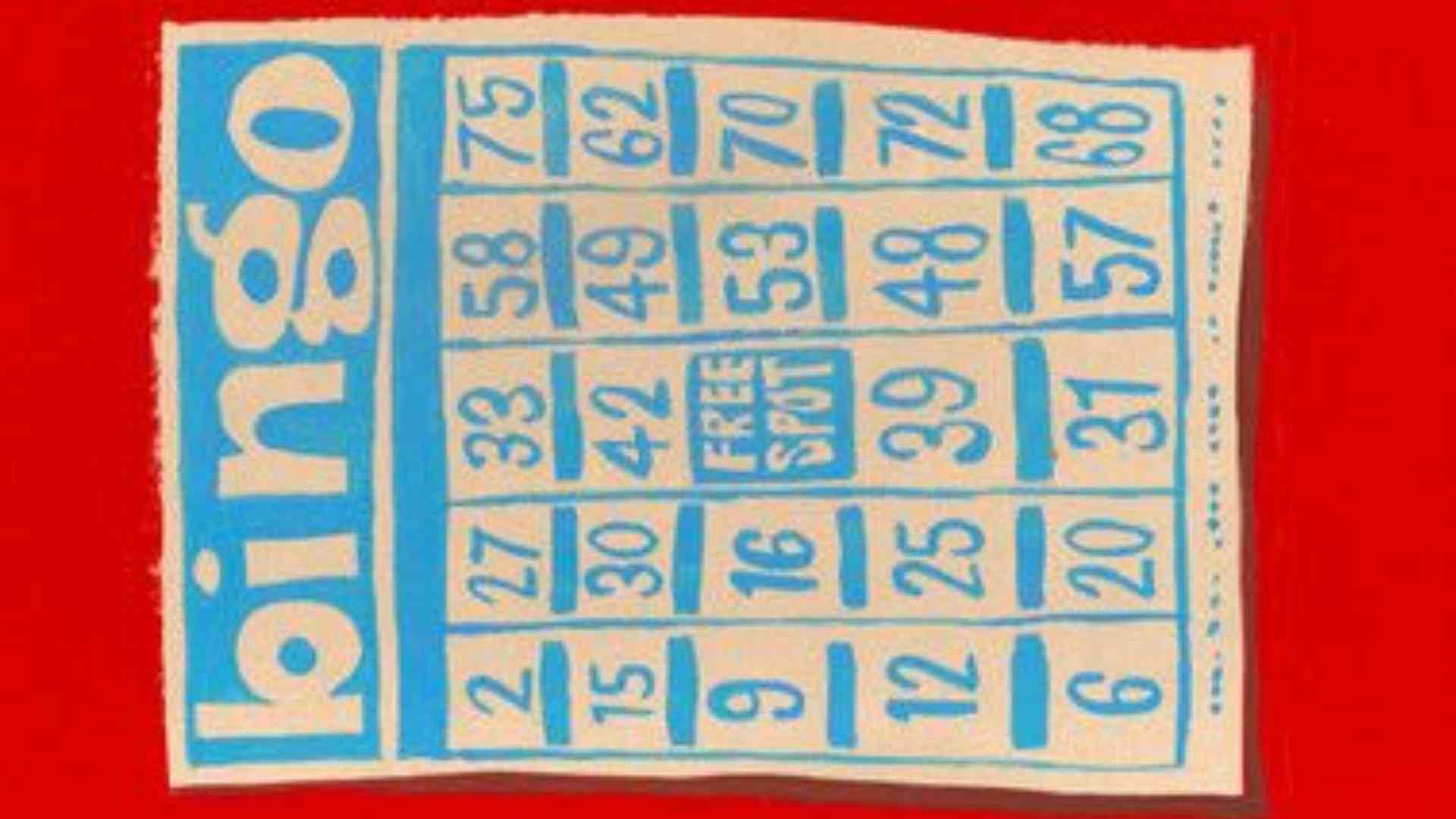
Exploring the world of chance does not have to be an intimidating task reserved only for mathematicians. Engaging in tabletop or digital games provides a practical approach to understanding how statistical variations work in real-time scenarios. By transforming abstract formulas into interactive experiences, learners can easily build strong analytical and risk-assessment skills.
The Core Mechanics of Independent Events
At the heart of many interactive challenges lies the concept of independent events, where each round functions separate from the last. Beginners often fall into the trap of predicting outcomes based on previous streaks rather than calculating true mathematical odds. Rolling a simple pair of dice or flipping a coin serves as an excellent demonstration of how absolute randomness operates in a controlled setting.
Developing a balanced perspective on these mechanics requires regular observation of recurring digital and physical outcomes. Over time, players begin to see the hidden mathematical boundaries that dictate fair play across various entertainment systems. This systematic observation transforms casual gaming into a valuable mental exercise that deepens baseline numerical literacy.
Differentiating Strategic Skill from Pure Luck
Many modern participants struggle to find the definitive line where mathematical chance ends and personal expertise begins to take over. While simple coin tosses rely completely on uncontrollable variations, complex card games allow players to actively influence their long-term results. Recognizing this structural balance helps individuals manage their gameplay expectations and minimizes the frustration caused by unexpected variations.
To navigate these dynamic challenges effectively, serious participants rely on continuous decision-making practice rather than basic intuition. Platforms that utilize clear statistical formulas offer a reliable framework for testing out analytical theories safely. Using an established portal like M88 Msports Login allows users to study how digital random number generation works across different modern simulations.
Practical Applications in Daily Decision Making
The logical skills developed through strategic play extend far beyond the gaming table and directly impact daily personal planning. Every day, people process thousands of complex choices that involve varying degrees of hidden uncertainty and potential structural risk. Training the brain to calculate potential outcomes dynamically enables individuals to approach routine problems with higher rational confidence.
From assessing morning weather forecasts to making sound long-term financial choices, statistical thinking serves as a vital tool. Engaging with game-based challenges teaches the mind to focus on objective frequency tracking rather than relying on emotional assumptions. Ultimately, mastering the laws of chance through interactive play builds a highly adaptable and smarter approach to navigating real-world uncertainty.