Human beings possess a natural tendency to find deep meaning in events governed entirely by chance. Whether watching a prize wheel spin or waiting for a randomized digital draw, the brain shifts from passive observation to intense emotional engagement. This psychological connection transforms simple unpredictable moments into powerful experiences that linger long after the final result is revealed.
The Biology of Expected Rewards
The human brain relies on specific chemical signals to process uncertainty and anticipate positive events. When an outcome is unknown, dopamine pathways become highly active, creating a strong sense of craving and curiosity before the event concludes. This internal chemical surge explains why the moments leading up to a random revelation feel so intensely stimulating.
Because the mind treats anticipation as a reward in itself, individuals naturally focus more attention on fluid or unfolding events. This biological mechanism keeps people deeply attached to casual games, interactive spinners, and dynamic sweepstakes. The sheer suspense of an unknown resolution ensures that viewers remain thoroughly hooked until the action stops.
The Cognitive Illusion of Control
Psychologists have long studied a common cognitive bias known as the illusion of control. This phenomenon occurs when individuals believe their personal thoughts, pre-game rituals, or specific timing can influence a completely random sequence. By projecting personal intent onto a neutral system, people begin to feel personally responsible for what happens next.
This mental shortcut often leads to the development of unique personal habits or superstitious beliefs before a random choice is made. Participants might tap a screen a certain way or call out their preferred option to bridge the gap between randomness and control. Consequently, when the system delivers an answer, the participant feels a profound individual connection to that specific outcome.
How Near Misses Drive Continuous Engagement
Experiencing a situation where a preferred segment is missed by just an inch triggers a unique psychological reaction. The human mind automatically simulates how close it came to a victory, processing a narrow loss differently than a clear defeat. This subtle frustration creates an immediate desire to try again to correct the near-miss experience.
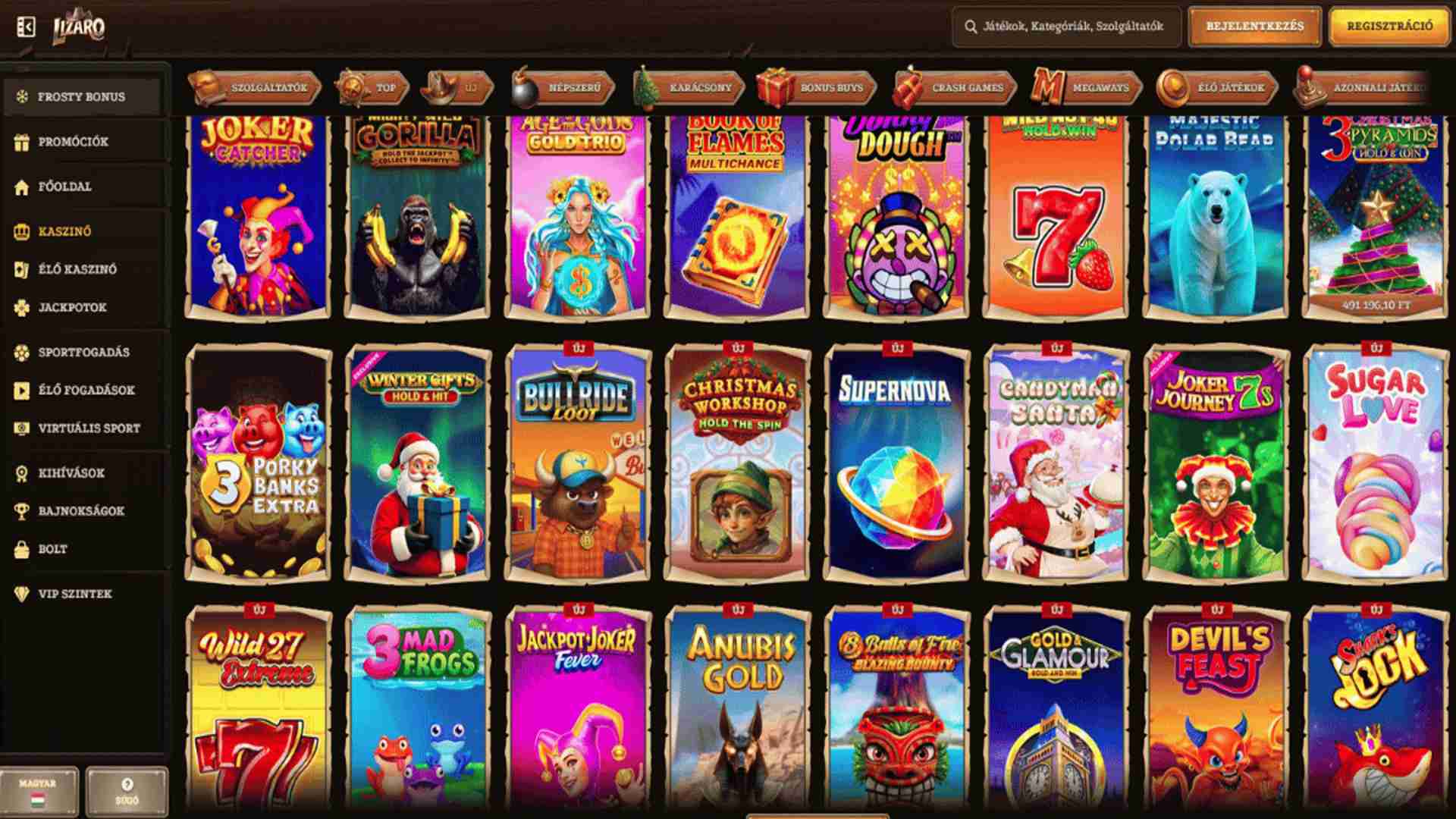
Many modern online entertainment systems and platforms, including digital destinations like m88 cá cược trực tuyến, design their interfaces around these exact principles of probability and visual engagement. By showing observers how close they came to different rewards, these systems maintain high levels of user interest. The compelling combination of near-victories and visual feedback turns casual curiosity into sustained emotional investment.
Escaping Daily Decision Fatigue
Modern daily routines require individuals to make hundreds of small calculations and choices every single hour. This continuous mental activity often leads to decision fatigue, causing people to feel exhausted by ordinary responsibilities. Handing over the final choice to a randomized mechanism brings an immediate sense of relief and mental freedom.
By letting an unbiased tool or spinner choose the path forward, participants remove the burden of personal analysis. This temporary surrender to luck introduces a lighthearted element of play into otherwise standard tasks. Ultimately, people embrace random outcomes because they provide a refreshing break from the rigid structures of daily life.